 Ultimate guide
What to Look for in Student Pianos: A Buyer's Guide
Quick Summary
For most beginners, a full-size digital piano with weighted keys is the practical choice, as it offers a consistent touch and needs no tuning. Student pianos should have 88 keys, since most graded repertoire uses the full range. Good tone and an action that responds to finger pressure matter more to progress than extra features.
- Most beginners should start with a weighted-key digital piano, which needs minimal maintenance.
- Choose a full-size 88-key keyboard, because most graded exam repertoire uses the full range.
- Weighted keys build the finger strength and touch control that unweighted keyboards cannot.
- When buying used, play every key and check for buzzing, sticking or unexpectedly dead notes.
- Budget for a stand, stool, sustain pedal and headphones as well as the instrument itself.
Table of Contents
- Why Choosing the Right Student Piano Matters
- Acoustic or Digital: Which Suits a Beginner?
- How Many Keys Does a Beginner Piano Need?
- Key Action, Tone and Playing Feel
- Buying Used: A Practical Inspection Checklist
- Budget Tiers and Total Cost of Ownership
- Piano Accessories for Beginners and Your Next Step at Hayes Music
- Frequently Asked Questions
What to Look for in Student Pianos: A Buyer's Guide
Last Updated: November 21, 2026
Why Choosing the Right Student Piano Matters
Choosing a student piano is one of the most consequential purchases a beginner or parent will make. If you are also weighing up a different instrument for a beginner, compare how beginner saxophones are chosen at Hayes Music.
Our aim here is to help you make a confident decision, whether you are a beginner in Hampshire, a parent buying for a child's school music programme, or an adult returning to the keyboard.
Acoustic or Digital: Which Suits a Beginner?
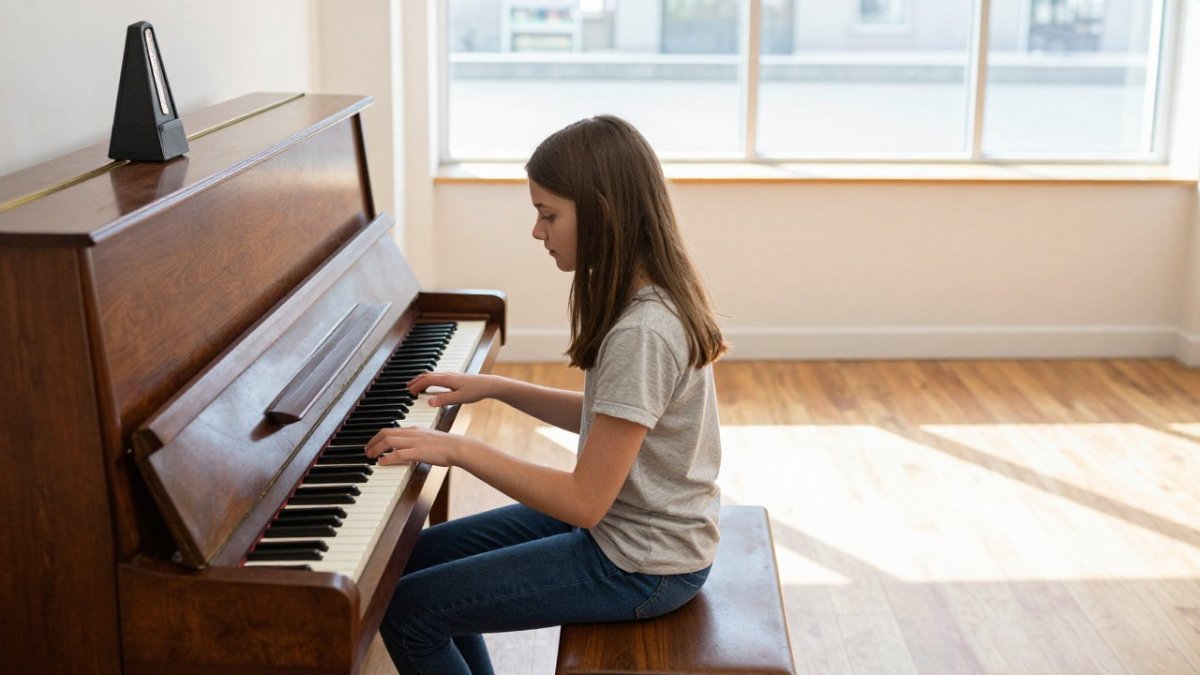
For most beginners, a digital piano is the more practical starting point, though an acoustic piano remains the traditional choice for serious long-term study. A compact example is the semi-weighted upright digital piano, suited to practice in smaller spaces.
Digital piano pros: lower maintenance, no tuning required, headphone practice, and a compact footprint.
Digital piano cons: the tone and touch can vary considerably between models, and cheaper keyboards may feel unlike a real piano.
Upright acoustic piano pros: authentic tone and touch, well suited to long-term study and exams.
Upright acoustic piano cons: requires regular tuning and takes up more room.
Keyboard (non-weighted) pros: inexpensive and portable.
| Option | Best For | Maintenance | Typical Drawback |
|---|---|---|---|
| Digital piano (weighted keys) | Most beginners and home practice | Minimal | Tone and touch vary by model |
| Acoustic upright | Long-term serious study | Regular tuning | Space and upkeep costs |
| Non-weighted keyboard | Very short-term or casual play | Minimal | Poor preparation for piano technique |
How Many Keys Does a Beginner Piano Need?
A full-size keyboard of 88 keys is the standard recommendation for students. Most piano repertoire, including graded exam pieces, uses the full range, so a smaller keyboard can limit what a student can learn. Some compact digital pianos offer 61 or 76 keys, which can suit very young beginners or tight spaces, but they may need replacing once a student progresses.
When comparing models, check that the keyboard is genuinely full-size. A student who outgrows a shorter keyboard within a year or two has effectively bought twice.
Key Action, Tone and Playing Feel
The key action describes how the keys respond to touch, and it matters more to a learner than almost any other specification. A good action lets a student control volume and expression through finger pressure. Tone is equally important: it should sound clear and balanced across the full range, without harsh highs or muddy lows.
Why Weighted Keys Matter for Progress
Weighted keys replicate the resistance of an acoustic piano, so a student's fingers develop the strength and evenness needed for dynamic control. Light, springy keys make it easy to play too loudly and can encourage habits that teachers later have to undo. A weighted-action digital piano is the closest affordable match to an acoustic feel, and it is worth prioritising over extra features.
Buying Used: A Practical Inspection Checklist
A used acoustic piano can offer excellent value, but condition varies enormously. The difference between a sound instrument and a money pit usually comes down to a handful of checks that anyone can carry out in the seller's home, followed by a professional inspection before money changes hands. This section gives you both: a hands-on routine you can do yourself, and clear thresholds for when to walk away or call in a piano technician.

The five-minute play test
Sit down and play every single key, one at a time, from the lowest note to the highest. Listen for buzzing, rattling, or notes that sound noticeably duller or brighter than their neighbours. Play each key firmly and then softly to check that the volume responds evenly. A note that will not sound at all, or that sounds with a metallic ring, is a warning sign.
- Every key returns smoothly and sits level with its neighbours
- No sticking, sluggishness, or keys that need a second press
- No buzzing, rattling, or unexpectedly dead notes
- Tone is even across the full range, with no harsh or muddy patches
- Pedals respond smoothly and do not squeak or feel loose
- The lid, fallboard, and music desk open and close without binding
Checking the action and regulation
Press a key slowly and watch the hammer. On an upright, remove the top panel if the seller permits; on a grand, lift the lid. The hammer should strike the string cleanly and fall back without hesitation.
Check the pedals under light pressure. The sustain pedal should lift the dampers evenly across the range; if some notes continue ringing after you release the pedal, the damper felt or adjustment is at fault. The soft pedal should shift the action or hammers smoothly, not with a clunk.
What to look for inside
Look at the soundboard, the large wooden panel behind the strings. Hairline cracks along the grain are common and often harmless, but a crack that runs across the grain, or one you can feel with a fingernail, needs professional assessment.
Watch out: a piano that has been stored against an outside wall, in a garage, or in a room with no heating control may have a cracked soundboard or a split wrest plank that is not obvious from the outside.
When to call a piano technician
A technician's inspection is worth arranging before any significant purchase. Ask them to check the pinblock (the laminated block that holds the tuning pins), the soundboard, the bridges, the action regulation, and the pitch.
A used piano that needs major repair can quickly cost more than a new digital model. If the seller cannot tell you when the instrument was last tuned or serviced, factor a technician's inspection into your budget before you commit.
Budget Tiers and Total Cost of Ownership
Budgets for student instruments fall into broad tiers, but the purchase price is only the first line of the ledger. A piano that looks affordable on the sticker can cost more over three years than a better instrument bought once. This section sets out the tiers and then walks through the costs that sit alongside them, so you can budget for the whole picture rather than the headline figure.
The three broad tiers
Entry-level digital pianos with weighted or semi-weighted keys suit casual learners and younger beginners. Mid-range weighted digital pianos, with a proper stand, three pedals, and a graded hammer action, suit most students working towards graded exams. Higher-end digital instruments and well-maintained used acoustics suit committed students who practise daily and intend to continue for several years.
For current prices on the models we stock, please check Hayes Music's website or speak to our team for a quote.
Costs beyond the instrument
A digital piano is rarely played straight from the box. Budget for:
- A sturdy stand or cabinet, a fixed stand is more stable than an X-frame for serious practice
- An adjustable stool or bench at the correct height
- A sustain pedal, and ideally a three-pedal unit if the model supports one
- Headphones for quiet practice, closed-back models are better for hearing your own touch
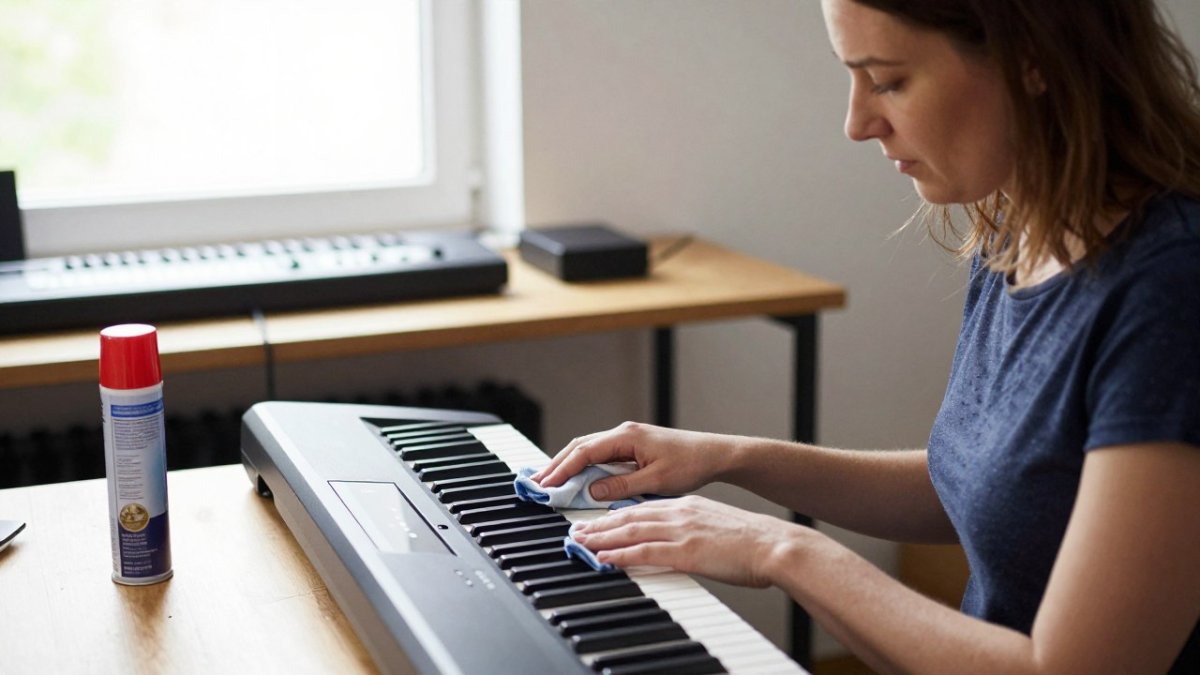
- A dust cover if the instrument lives near a window or radiator
An acoustic piano carries a different set of costs:
- Delivery, often by specialist piano movers rather than a general courier
- Tuning, typically once or twice in the first year after a move, then annually
- Regulation and voicing every few years, depending on use
- Repairs, damper felt, strings, and action parts wear with time
- A technician's inspection before purchase, if buying used
The upgrade trap
A cheaper keyboard that a student outgrows within a year may cost more over time than a better-action instrument that lasts through several grades. The pattern is common: a family buys a non-weighted keyboard to test interest, the student progresses faster than expected, and a second purchase follows within twelve to eighteen months.
Watch out: a used acoustic piano offered free or very cheaply can require substantial spending on moving, tuning, and repairs before it plays reliably, always consider the first year of ownership, not just the instrument.
Piano Accessories for Beginners and Your Next Step at Hayes Music
A few accessories make practice more comfortable and effective: a sturdy stand, an adjustable stool at the correct height, a sustain pedal, and headphones for quiet home practice. A pedal board can also help students who are beginning to use multiple pedals.
If you are ready to choose your first student piano, a complete digital piano set with stand and pedal board is a convenient way to start.
Frequently Asked Questions
What should I look for when buying a piano for a beginner?
Start with the basics: a full-size keyboard of 88 keys if the student may progress, touch-sensitive or weighted action, a stable build and a tone that is clear across the range. Check the sustain pedal and whether the instrument stays in tune. Decide whether the budget suits an acoustic or digital model, and try it in person before buying. Ask the retailer to explain the warranty and aftercare, and whether setup is included, so you know what you are getting before you pay.
Is a digital piano or an acoustic piano better for a student?
A digital piano suits most beginners because it stays in tune, is quieter for home practice and often includes headphone output and recording features that help with lessons. An acoustic piano offers a natural touch and tone that many teachers prefer for advanced study, but it needs regular tuning and more space. Consider how much practice happens at home, the room available and whether the student's teacher recommends a particular type.
How many keys should a student piano have?
Most teachers recommend 88 keys, the full range of a standard piano, so that music written for the instrument can be played without changes. Smaller 61-key keyboards are cheaper and portable, but they limit repertoire and can frustrate a student who progresses quickly. If the budget is tight, a 76-key model is a middle option, though a full 88-key instrument is the safer long-term choice for most learners.
Do beginner piano students need weighted keys?
Weighted keys imitate the resistance of an acoustic piano, which helps a student develop finger strength and control and builds a touch that transfers to real pianos. Lightweight keys are cheaper but can encourage habits that must be unlearned later. For a student who plans to take exams or move to acoustic piano, weighted or graded hammer action is worth prioritising, even at an entry-level price.
Should I buy a new or used piano for a beginner?
A used acoustic piano can offer good value, but it needs a careful inspection. Check that the keys respond evenly, that the pedals work, that there are no cracked soundboards or loose strings and that the instrument holds tuning. Ask for a professional inspection and an estimate for tuning and any repairs before you agree a price. A new digital piano usually comes with a warranty, which makes it simpler for a first instrument.
What accessories does a piano student need?
Essentials include a sturdy stool at the correct height, a sustain pedal if the instrument does not include one, headphones for quiet practice, a music stand and the method books recommended by the teacher. A dust cover and a protective case help with care, and a metronome or tuner app supports practice. Hayes Music stocks tuition books and exam publications, and you can ask the team in store for current prices and availability.
How much should I spend on a student piano?
Pricing depends on the type of instrument, its condition, the features included and whether delivery or setup is needed, so Hayes Music cannot give a fixed figure here. Generally, a new digital piano with weighted keys costs more than a basic keyboard, and a used acoustic piano needs a budget for tuning and possible repairs. For current prices or a quote, please visit the Hayes Music website or speak to a member of the team.