 Ultimate guide
Professional Instrument Setup: Why It Matters
Table of Contents
- What Professional Instrument Setup Involves
- How Long Does a Guitar Setup Take and Why Timing Matters
- The Impact of Setup on Playability and Sound Quality
- Signs Your Instrument Needs Repair and Professional Attention
- Instrument Maintenance Tips for Beginners Between Professional Setups
- When to Seek Professional Setup: New Instruments and Beyond
- Frequently Asked Questions
Last Updated: September 30, 2026
What Professional Instrument Setup Involves
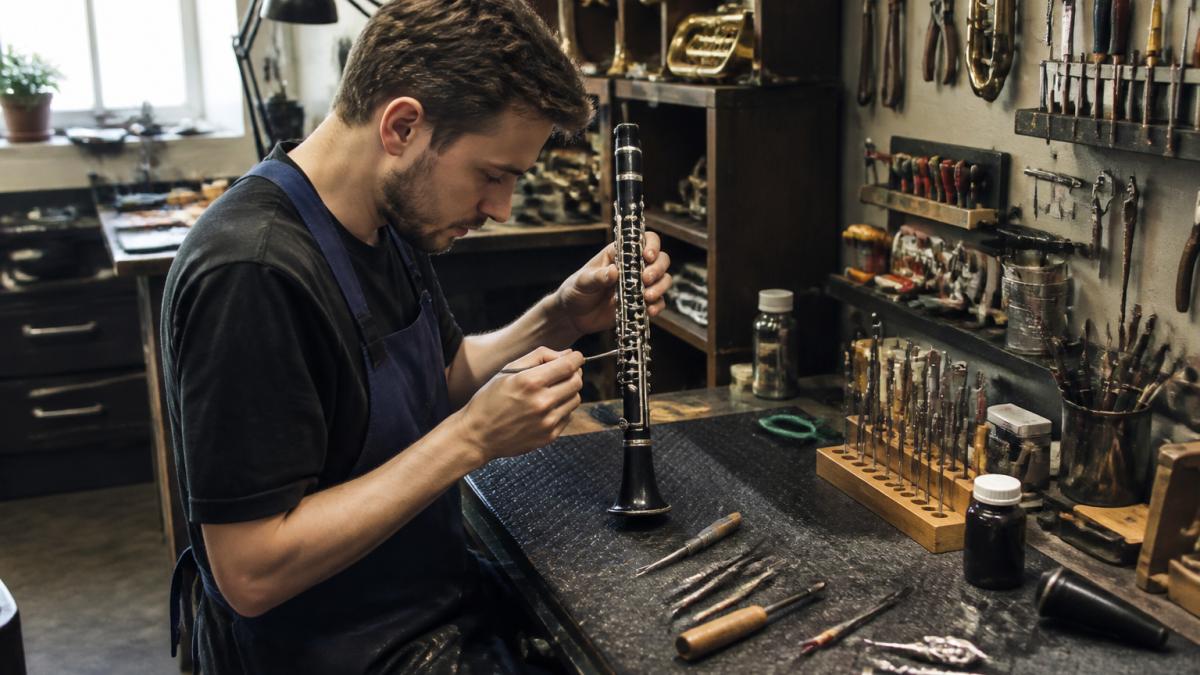
Professional instrument setup is the process of adjusting and optimising a musical instrument to ensure it performs at its best. This encompasses everything from neck alignment and action height to intonation correction and hardware tightening. For brass and woodwind instruments, setup involves checking valve alignment, pad seating, and spring tension. For pianos and keyboards, it includes action regulation, string tension, and pedal calibration.
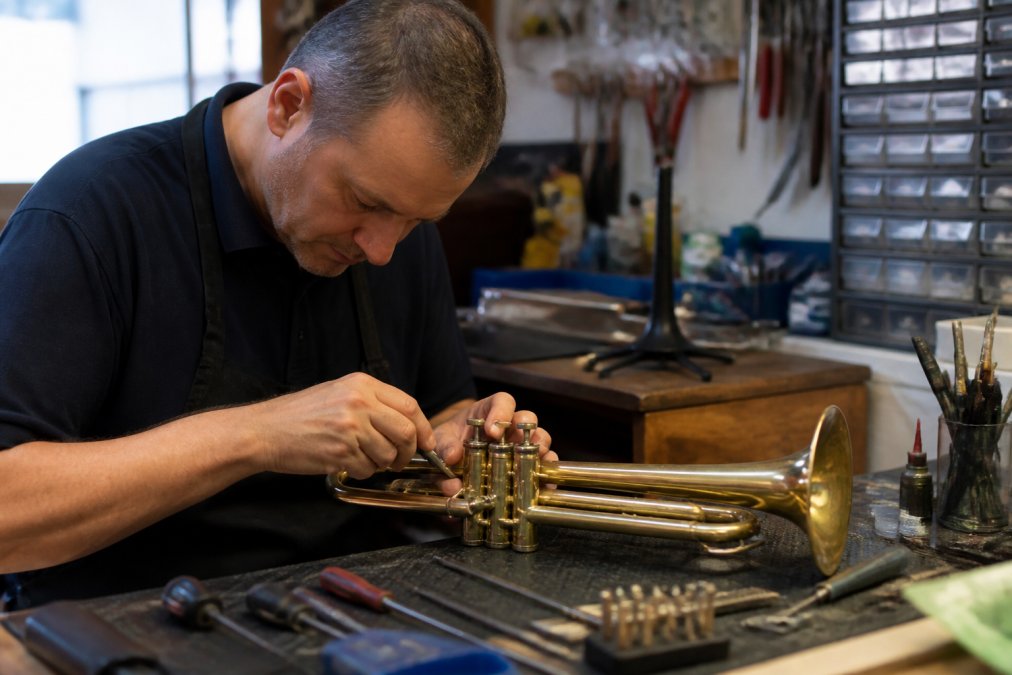
A proper setup addresses the physical condition of the instrument and how it responds to the player. When you receive a new instrument or one that's been in storage, the setup process ensures every component functions as the manufacturer intended. This isn't cosmetic work, it's foundational maintenance that directly affects whether the instrument is playable or frustrating.
At Hayes Music, our repair centre handles this work across brass and woodwind instruments. Setup includes checking that all moving parts operate smoothly, adjusting action to match the player's needs, and correcting any structural issues that affect performance. A technician will also verify that the instrument holds its tuning and responds consistently across its range.
How Long Does a Guitar Setup Take and Why Timing Matters
A full professional instrument setup typically takes between 3 and 7 working days, depending on the instrument type and the extent of adjustments needed. Brass instruments often require 3-4 days, whilst woodwind instruments may take 5-7 days if pads need replacing or springs require adjustment.
The timeframe matters because musicians often need instruments quickly, for school performances, exams, or upcoming gigs. Understanding how long a setup takes helps you plan ahead and avoid last-minute panic. If your son needs a clarinet for school music lessons in a few weeks, ordering now with a professional setup included gives you a buffer if adjustments are needed.
Rush setups are sometimes available but may carry additional charges. A basic setup addressing immediate playability issues might take 2-3 days, whilst a comprehensive setup that includes deep cleaning and complete adjustment takes longer. Hayes Music can advise on turnaround times based on your deadline and the specific work required.
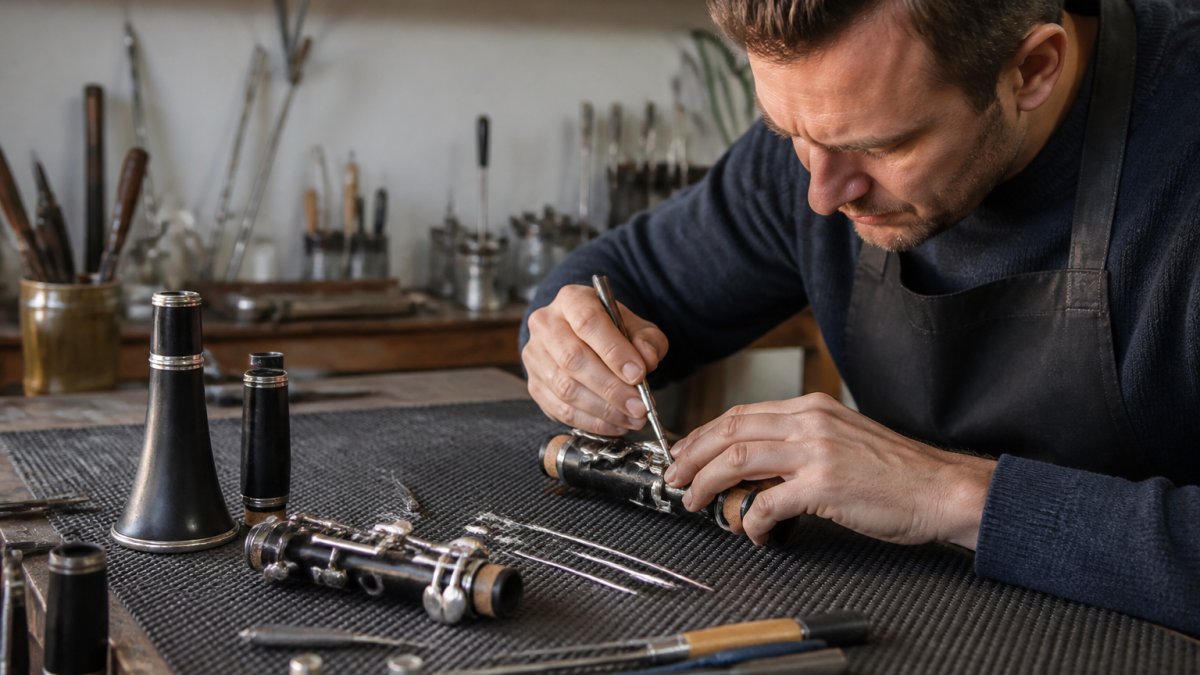
The reason setup takes time is that rushing leads to mistakes. A technician needs to adjust one component, test the result, and often readjust based on how the instrument responds. Padding a woodwind instrument, for example, requires the glue to cure properly before the instrument is returned to you. Skipping this step means pads that fail within weeks.
The Impact of Setup on Playability and Sound Quality
An instrument that's been professionally set up plays noticeably differently from one that hasn't. The action, the height of strings or keys above the fingerboard, directly affects how easily you can play. Too high, and the instrument feels stiff and tiring. Too low, and notes buzz or fail to sound clearly. A professional setup matches the action to the player's needs and the instrument's design.
Sound quality improves significantly after setup because every component affects how the instrument vibrates and resonates. On brass instruments, valve alignment ensures that each note speaks clearly and consistently. On woodwind instruments, proper pad seating prevents air leaks that muffle tone and flatten intonation.
Intonation, how in-tune the instrument sounds, is often corrected during setup. A woodwind instrument that plays sharp or flat across its range may simply need regulation adjustments. Brass instruments sometimes need slide or valve alignment corrected. These aren't defects; they're normal variations that setup addresses.
Many beginners don't realise that their struggles learning an instrument stem from poor setup rather than lack of ability. An instrument with high action or intonation problems makes learning significantly harder. When you switch to a properly set up instrument, suddenly techniques that felt impossible become manageable. This is why Hayes Music prioritises expert guidance for beginner instruments, it removes a major barrier to progress.
Signs Your Instrument Needs Repair and Professional Attention
Several clear indicators suggest your instrument needs professional repair and setup attention. Buzzing or rattling sounds when you play indicate loose components or damaged pads. Difficulty reaching certain notes or inconsistent tone across the range often points to valve or pad problems. Keys or valves that stick or respond slowly need immediate attention before they cause permanent damage.
Visible damage, dents, cracks, or bent tubing, requires professional assessment. Some damage is cosmetic and doesn't affect playability, whilst other damage compromises the instrument's structural integrity. A professional can determine whether repair is possible and what it will cost.
Intonation that's consistently sharp or flat across the entire range suggests the instrument needs setup adjustment or structural work. If the instrument won't hold its tuning or drifts noticeably during a practice session, this also warrants professional evaluation. These issues worsen over time and become more expensive to fix if ignored.
Moisture damage is common in woodwind instruments and requires prompt attention. If pads feel soggy, the instrument produces weak tone, or you notice mould inside, have it serviced immediately. Moisture-related damage spreads quickly and can render an instrument unplayable if left untreated.
Instrument Maintenance Tips for Beginners Between Professional Setups
Between professional setups, simple maintenance extends your instrument's life and keeps it performing well. For woodwind instruments, swab the interior after every practice session to remove moisture and prevent pad deterioration. Use a soft cloth to wipe down the exterior, paying particular attention to keys and springs where dust accumulates.
Store your instrument in a hard case rather than a soft bag. Hard cases protect against accidental damage and help maintain consistent temperature and humidity. Extreme temperature swings and humidity changes cause wood to expand and contract, leading to cracks and intonation problems.
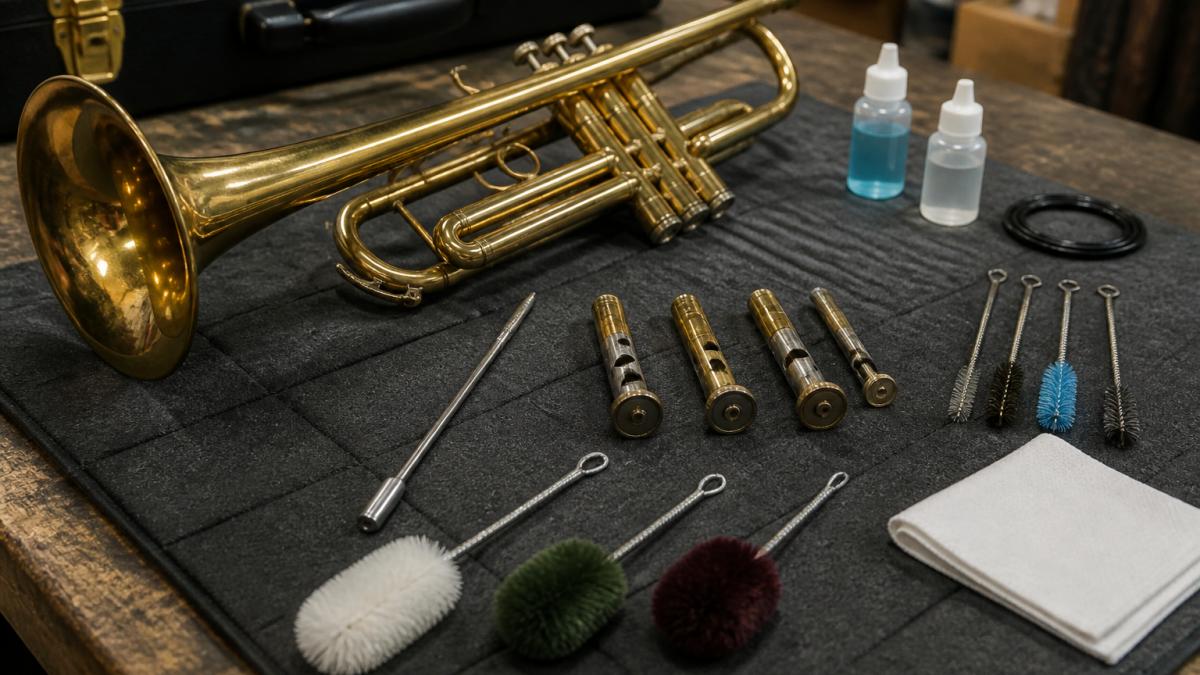
For brass instruments, clean the exterior regularly with a soft cloth. Use valve oil or slide grease as recommended by the manufacturer, typically once per week for regular playing. Never force stuck valves or slides; this causes internal damage that requires professional repair.
Check your instrument weekly for obvious problems. Look for visible cracks, loose screws, or bent components. Listen for new buzzing or rattling sounds. Test that all keys or valves move smoothly. Catching problems early means simpler, cheaper repairs.
Avoid common mistakes that damage instruments. Never store instruments in direct sunlight or near heat sources. Don't leave them in cold cars or damp basements. Never attempt to force a stuck valve or pad, this causes internal damage that professionals must repair. Don't use harsh chemicals or abrasive cloths on the instrument's finish.
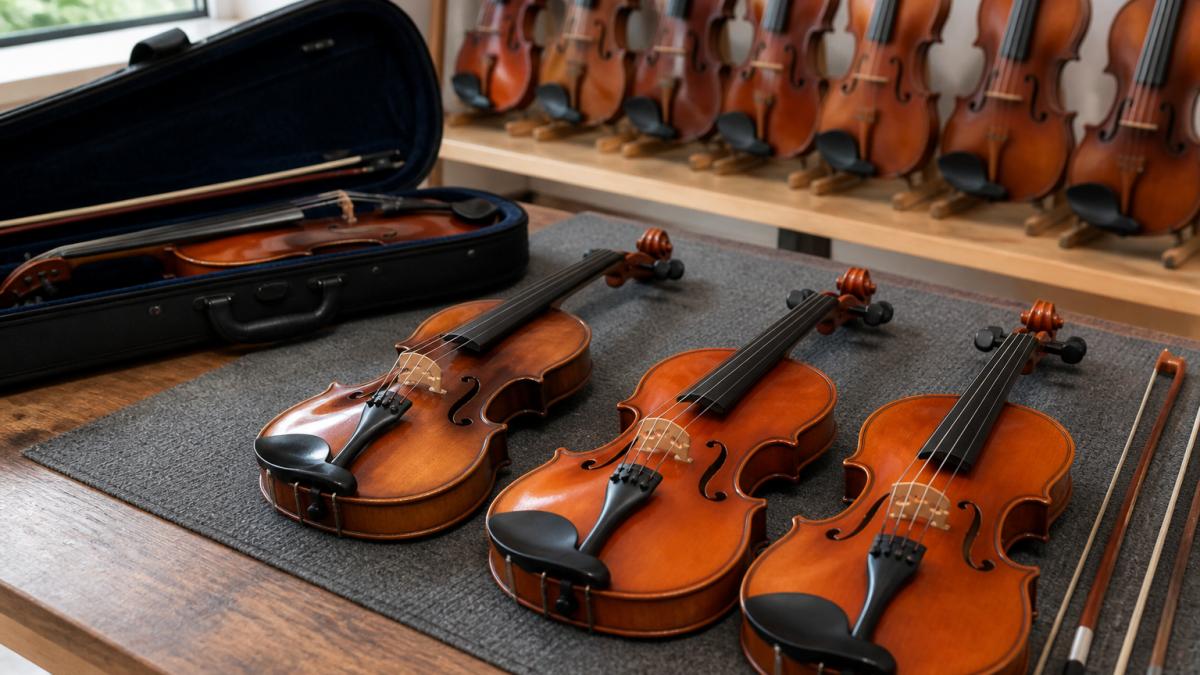
For string instruments, keep strings clean by wiping them after playing. Replace strings when they sound dull or break. Check that tuning pegs turn smoothly and hold tension. These simple steps prevent many common problems.
When to Seek Professional Setup: New Instruments and Beyond
Professional setup matters most when you first receive a new instrument. Factory setup is often minimal, the manufacturer ensures basic functionality but doesn't optimise for individual players. A new instrument should be professionally set up before you begin serious playing or lessons. This costs less than fixing problems that develop from poor initial setup.
If you're buying online from any retailer, ask about pre-setup before dispatch. Many online retailers don't offer this service, leaving you to discover problems after purchase. Hayes Music includes setup assessment with instruments sold through our showroom, so you can test the instrument before taking it home and know it's been properly adjusted.
After your initial setup, professional attention becomes necessary when you notice performance changes. If an instrument that played well suddenly becomes harder to play or sounds different, schedule a setup appointment. This might indicate that components have shifted or worn, which setup can address.
Seasonal changes sometimes require adjustment. Temperature and humidity fluctuations cause wood to expand and contract, affecting intonation and action. Many musicians schedule setup twice yearly, spring and autumn, to compensate for seasonal changes.
If you're preparing for exams or performances, schedule setup a few weeks beforehand.
Frequently Asked Questions
What is included in a professional instrument setup?
A professional instrument setup typically includes cleaning and inspection, adjustment of action height (the distance between strings or keys and the fingerboard), intonation checks, regulation of mechanisms like valves or keys, and stabilisation of any loose components. For woodwind instruments, this includes pad sealing and key alignment. For brass instruments, valve alignment and slide movement are checked. The exact scope depends on your instrument type and its current condition.
Does a new instrument need a professional setup?
Yes. Even new instruments benefit from professional setup. Factory assembly may not account for your playing style, hand size, or local climate conditions. A technician can adjust action, intonation, and mechanism response to match your needs. This is especially important for beginners, as a poorly set-up instrument can create bad habits and frustration before you've developed proper technique.
How often should I have my instrument professionally set up?
Frequency depends on how much you play and your instrument type. Beginner musicians playing casually might need setup annually. Regular players should consider professional setup every 6-12 months. Professional gigging musicians often need more frequent attention. Climate changes, seasonal humidity shifts, and heavy use all affect instrument stability. Watch for signs like increased difficulty playing or changes in tone quality.
Can I perform a professional setup myself at home?
Most professional setup tasks require specialist knowledge and precision tools. Incorrect adjustments can damage your instrument or create problems that are expensive to fix. Basic maintenance like cleaning and lubrication you can do yourself, but intonation, action adjustment, and mechanism regulation should be left to professionals. This protects your investment and ensures your instrument performs at its best.