 How-to
Find a Professional Instrument Repair Shop: Your Guide
Table of Contents
- What to Look for in a Professional Instrument Repair Shop
- How to Find a Qualified Instrument Technician
- Woodwind Instrument Maintenance Tips to Prevent Major Repairs
- Understanding Brass Instrument Repair Cost Guide
- Instrument Repair Turnaround Time: What to Expect
- Preparing Your Instrument for a Repair Appointment
- When to Repair Versus Replace Your Instrument
- Frequently Asked Questions
Last Updated: October 2, 2026
What to Look for in a Professional Instrument Repair Shop
Finding a professional instrument repair shop requires knowing what separates skilled technicians from inexperienced ones. The best shops combine technical expertise, transparent communication, and genuine care for your instrument's condition.
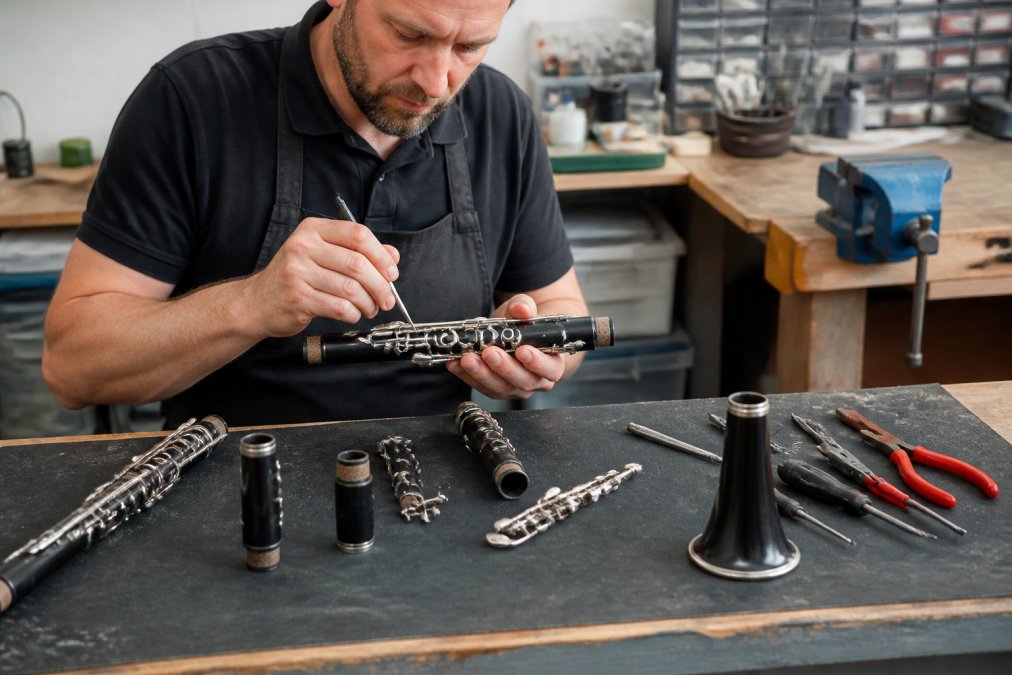
Start by checking whether the shop employs qualified technicians. Look for evidence of formal training in instrument repair, certifications, apprenticeships, or years of documented experience matter. A professional instrument repair shop should be able to discuss their team's background without hesitation.
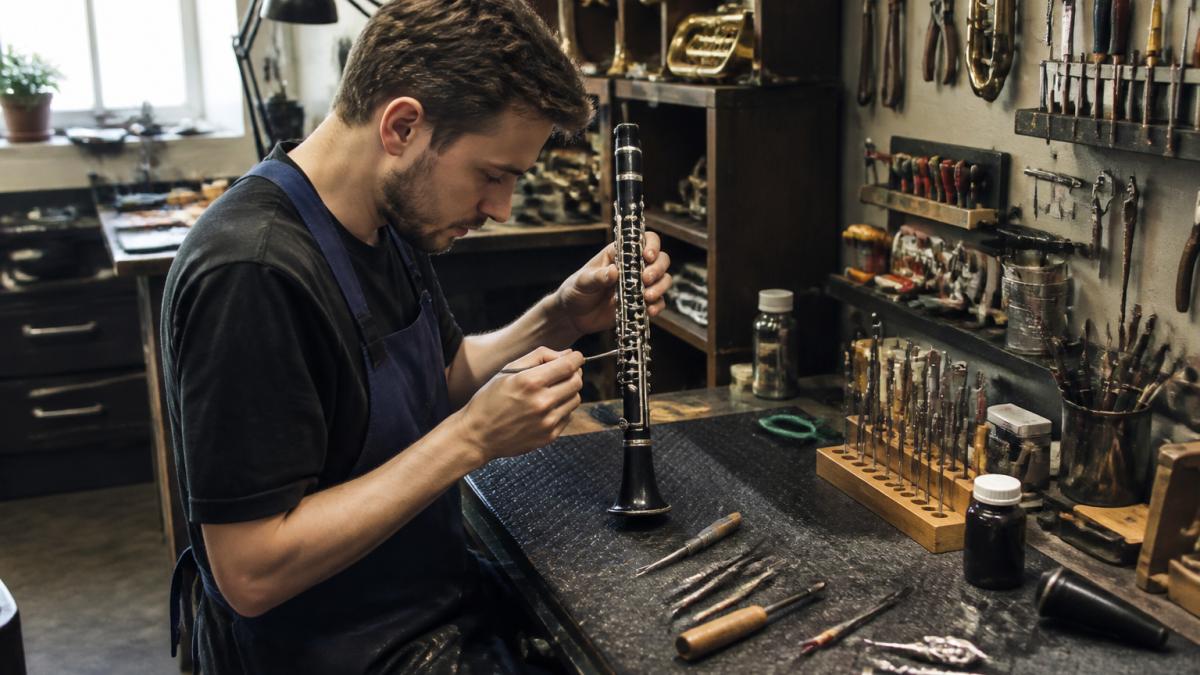
Next, assess their equipment and workspace. Proper repair work demands specialised tools and a controlled environment. When you visit or enquire, ask about their facilities. Do they have humidity control? Dedicated workbenches? Access to replacement parts? These details signal whether they take their craft seriously.
Transparency about pricing and timescales is essential. A professional instrument repair shop will provide estimates before starting work and explain what each repair involves. Avoid shops that quote prices over the phone without seeing your instrument, they're guessing, and guesses often become unpleasant surprises.
Check their reputation through reviews and word-of-mouth. Ask local music teachers, school music coordinators, and fellow musicians where they send their instruments. Personal recommendations carry weight because they come from people who've experienced the shop's work firsthand.
Finally, verify they specialise in your instrument type. Woodwind, brass, percussion, and keyboard repairs demand different expertise. A shop that handles everything may lack depth in any single area. The best professionals focus on specific instrument families where they've built genuine mastery.
How to Find a Qualified Instrument Technician
Locating a qualified instrument technician starts with your immediate community. Ask your music teacher, school music coordinator, or local orchestra members for recommendations. These professionals work with repair shops regularly and know which technicians deliver reliable results.
Search online for "professional instrument repair shop near me" or "instrument repair [your area]." Read reviews on Google Maps and specialist music forums. Pay attention to comments about turnaround time, communication, and whether repairs actually solved the problem. A pattern of satisfied customers suggests genuine competence.
Contact several shops and ask specific questions about their experience with your instrument. How long have they repaired this type? What's their typical turnaround? Can they provide references? A qualified technician will answer confidently and offer to connect you with previous customers.
Hayes Music operates a full backup service and repair centre for brass and woodwind instruments. Their team combines years of experience with access to quality replacement parts, giving customers confidence that their instruments receive proper care.
When you've narrowed your choices, visit in person if feasible. Observe the workshop. Is it organised and clean? Do technicians seem focused and unhurried? A rushed environment often produces rushed repairs.
Woodwind Instrument Maintenance Tips to Prevent Major Repairs
Consistent maintenance prevents expensive repairs down the line. Woodwind instruments are sensitive to moisture, temperature changes, and mishandling, but basic care keeps them functioning well.
After each playing session, swab the interior with a clean cloth. Moisture accumulates inside the bore and promotes corrosion of pads and springs. A simple swab takes thirty seconds and protects your instrument significantly. Store your instrument in its case with the case open slightly to allow air circulation, sealed cases trap moisture.
Check your reeds regularly. A damaged or worn reed forces you to play harder, putting stress on the mechanism. Replace reeds when they crack, chip, or no longer respond evenly. This small investment prevents damage to pads and keys that would cost far more to repair.
Clean the exterior monthly with a soft, dry cloth. Avoid harsh chemicals or excessive moisture on the wood or metal body. If your instrument has keywork, gently wipe around the keys, dirt accumulation causes sticking and binding.
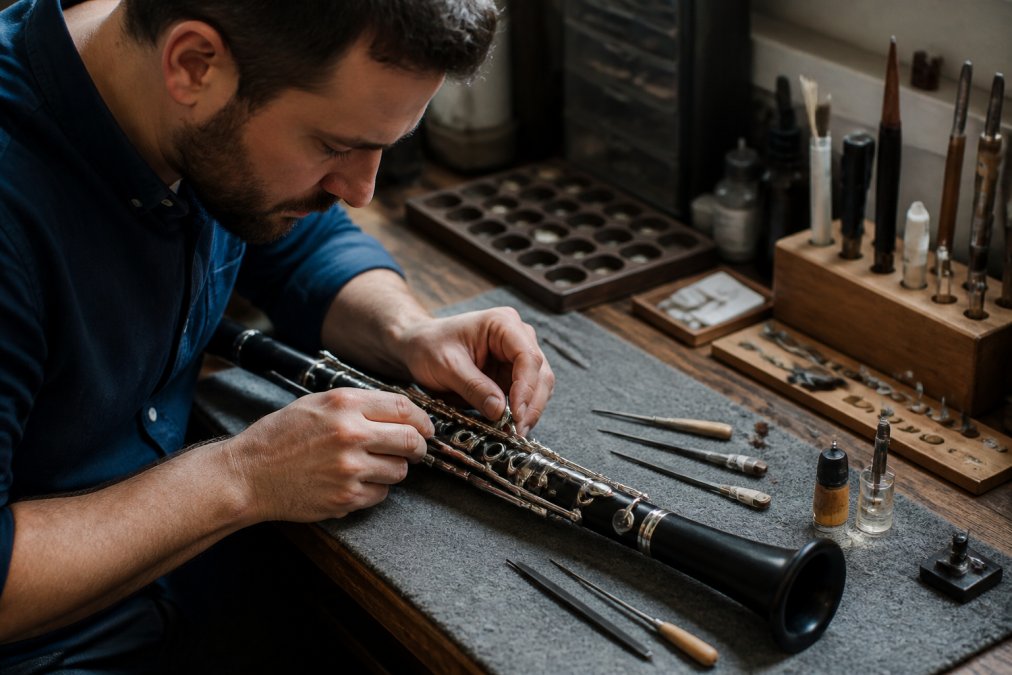
Have your instrument professionally serviced annually, even if it seems to play well. Technicians catch wear before it becomes serious. Pads compress over time, springs lose tension, and cork deteriorates, these changes happen gradually and silently until suddenly your instrument plays poorly.
Store your instrument in a stable environment. Temperature swings and humidity fluctuations cause wood to expand and contract, warping the bore and creating air leaks. A consistent room temperature and moderate humidity (around 45-55%) keeps your instrument stable.
Understanding Brass Instrument Repair Cost Guide
Brass instrument repairs range from simple adjustments to complete overhauls, and understanding what drives cost helps you make informed decisions.
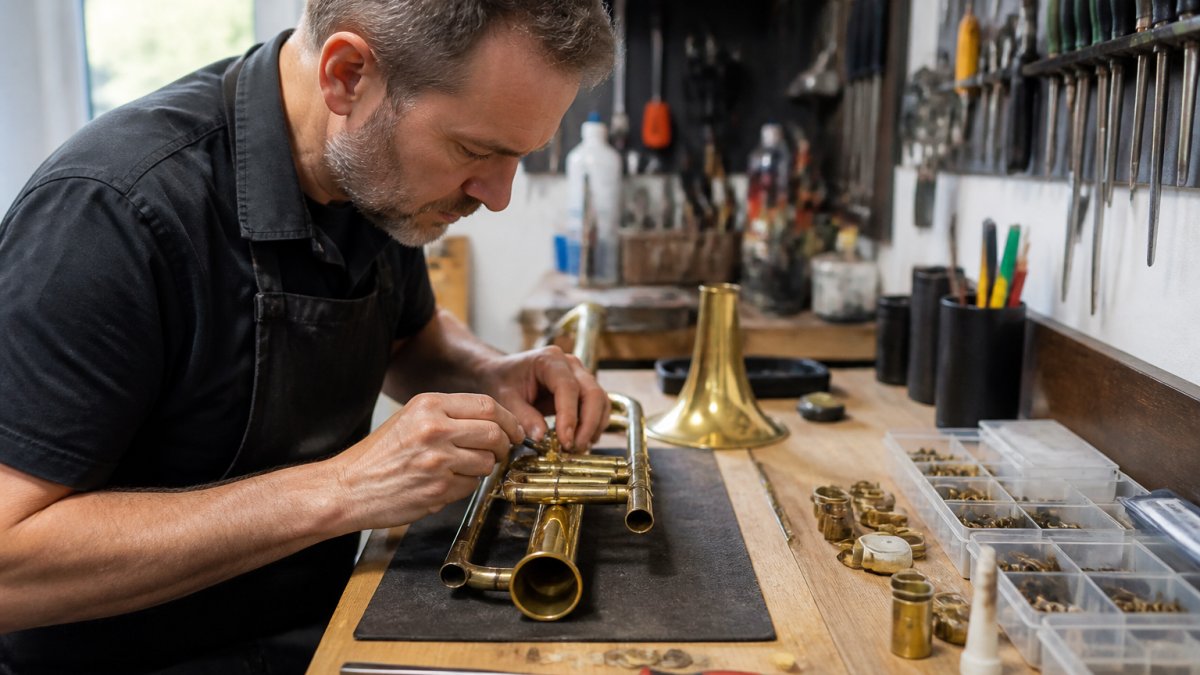
Minor repairs, adjusting a stuck valve, replacing a spring, or fixing a small dent, typically cost less than major work. These jobs take a few hours and require minimal parts. A professional instrument repair shop can usually quote these accurately after inspection.
Major repairs involve more extensive work. Valve replacements, slide straightening, or complete pad and spring overhauls demand significant time and expertise. The technician must disassemble the instrument, replace worn components, reassemble everything, and test thoroughly.
Several factors affect pricing. The instrument's condition when it arrives matters, heavily corroded valves cost more to restore than lightly tarnished ones. The specific repair required influences cost; some fixes demand rare parts or specialist knowledge. Your location affects pricing too; shops in areas with higher operating costs typically charge more.
Always request a written estimate before authorising work. A professional instrument repair shop will inspect your instrument, identify what needs fixing, and provide a clear price. This protects you from unexpected bills and gives you time to decide whether repair makes financial sense compared to replacement.
Some shops offer warranties on repairs. This commitment signals confidence in their work. Ask whether your repair includes a guarantee and what it covers.
Instrument Repair Turnaround Time: What to Expect
Understanding realistic turnaround timescales helps you plan your musical activities and manage expectations.
Simple repairs, adjusting valves, replacing springs, or fixing minor dents, often complete within one to three working days. The technician diagnoses the problem, makes the adjustment, and tests the instrument. These jobs don't require special ordering or extensive disassembly.
More complex repairs take longer. A complete overhaul, involving valve replacement, extensive cleaning, and reassembly, might require two to four weeks. The technician must order parts if they're not in stock, carefully disassemble the instrument, replace components, reassemble everything, and conduct thorough testing.
Seasonal demand affects turnaround time. September and October see increased repair requests as musicians prepare for autumn performances and school year starts. Summer holidays might bring delays if technicians take time off. During busy periods, expect longer waits even for straightforward jobs.
Communication matters here. A professional instrument repair shop will tell you upfront how long your specific repair will take. They'll also update you if complications arise. If your repair sits longer than quoted without explanation, follow up. Good shops keep customers informed.
If you need your instrument urgently, say so when you drop it off. Experienced technicians might prioritise your job if possible, though this sometimes incurs a rush fee. It's always worth asking.
Preparing Your Instrument for a Repair Appointment
Proper preparation before your appointment helps the technician work efficiently and reduces unnecessary costs.
Clean your instrument thoroughly before dropping it off. Remove accumulated dust, moisture, and debris from the exterior and accessible interior areas. A clean instrument is easier to inspect and work on. It also shows respect for the technician's time and workspace.
Document any specific problems you've noticed. Write down exactly what isn't working, does a valve stick? Does a key not respond? Does it sound different from before? Specific descriptions help the technician diagnose issues faster than vague complaints like "it doesn't sound right."
Include all original parts and accessories when you bring your instrument in. If a spring fell off or a pad came loose, bring it. These pieces help the technician understand the problem and may be reusable. If you've lost something, mention it so they can order a replacement.
Provide contact information and specify your preferred communication method. Should they call, email, or text with updates? How quickly do you need your instrument back? Clear expectations prevent frustration later.
Ask about payment methods and deposit requirements before leaving. Do they take card payments? Do they require a deposit upfront? Understanding these details prevents awkward conversations later.
If your instrument hasn't been serviced professionally in years, mention that.
When to Repair Versus Replace Your Instrument
Deciding whether to repair or replace your instrument requires honest assessment of its condition, your needs, and financial reality.
Frequently Asked Questions
How do I know if my instrument needs a professional instrument repair?
Common signs include difficulty producing sound, mechanical issues with keys or valves, cracks or dents in the body, and deteriorating pads or springs. If your instrument sounds flat, feels unresponsive, or shows visible damage, a qualified technician can diagnose the problem. Professional assessment ensures you address issues before they worsen and affect playability.
What's included in a typical woodwind instrument maintenance service?
Woodwind maintenance usually covers cleaning the bore, replacing worn pads and springs, adjusting key alignment, and oiling mechanical parts. Regular maintenance prevents leaks and keeps your instrument responsive. How often you need service depends on playing frequency, professional musicians may service instruments annually, while hobbyists might do so every 18-24 months.
How long does instrument repair turnaround time typically take?
Standard cleaning and adjustments often take 1-2 weeks, whilst more complex repairs involving pad replacement or dent removal may take 2-4 weeks. Emergency rush services are sometimes available at additional cost. Always ask for a quote and estimated completion date before leaving your instrument with a technician.
Should I repair an older instrument or buy a new one?
Consider the instrument's sentimental value, current condition, and repair costs relative to replacement. A technician can provide a cost estimate to help you decide. Many older instruments, especially vintage or handmade pieces, are worth repairing. For heavily damaged student instruments, replacement may be more economical, but a professional assessment is essential before deciding.