 how-to
Fast Woodwind Repair Services: Your Complete Guide
Table of Contents
- When Your Woodwind Needs Professional Repair: Signs Your Saxophone Needs Attention
- Understanding Woodwind Service Timescales: How Long Does a Woodwind Service Take?
- What to Expect During Your Woodwind Repair Service
- Daily Woodwind Instrument Maintenance Tips
- Preparing Your Instrument for Fast Woodwind Repair
- Common Mistakes That Delay Repairs
- Getting Your Instrument Back in Playing Condition
- Frequently Asked Questions
Last Updated: 21 September 2026
When Your Woodwind Needs Professional Repair: Signs Your Saxophone Needs Attention
Your woodwind instrument tells you when it needs help. A sticky key, a crack in the body, or a weak note in the upper register, these aren't minor annoyances. They're signals that professional repair is overdue.
Most musicians ignore early warning signs. They keep playing through deteriorating performance, hoping the problem resolves itself. It never does. What starts as a single stuck pad becomes a full regulation job that costs more and takes longer.
The key is recognising when your instrument has crossed from "playable" to "needs attention." A saxophone that squeaks on high notes, a clarinet with a slow response on the lower register, or a flute with visible cracks in the wood, these demand immediate professional assessment. Many musicians delay seeking help, leading to instruments arriving in far worse condition than if they had been fixed quickly.
Common signs your woodwind needs professional repair include water damage inside the bore, visible corrosion on metal parts, pads that no longer seal properly, springs that have lost tension, or structural damage like dents or cracks. If your instrument sounds noticeably different from how it sounded six months ago, that's your cue to bring it in.
Understanding Woodwind Service Timescales: How Long Does a Woodwind Service Take?
How long a woodwind service takes depends entirely on what needs fixing. A simple pad replacement might take three to five days. A full overhaul of a saxophone or clarinet can stretch to two to three weeks.
The timeline breaks down into three phases: assessment, repair work, and testing. A technician needs time to diagnose the problem properly, source any replacement parts if needed, complete the repair work with precision, and then thoroughly test the instrument to ensure everything functions correctly. Rushing any of these steps compromises quality.
For fast woodwind repair services, the priority is balancing speed with accuracy. Quick repairs that create new problems cost you more time and money in the long run. A proper service means your instrument returns in better condition than when you dropped it off, not just "fixed enough to play."
Most straightforward repairs, such as replacing worn pads, adjusting springs, or cleaning the instrument, typically take five to seven working days. More complex work involving structural damage, extensive corrosion, or multiple failing components can take two to three weeks. For current timescales, please check with Hayes Music directly.
What to Expect During Your Woodwind Repair Service
Initial Assessment and Diagnosis
When you bring your instrument in, the technician performs a comprehensive assessment. They play the instrument to hear how it sounds, check each key for response and sealing, inspect the pads and springs, and look for structural damage. This diagnostic phase typically takes thirty minutes to an hour.
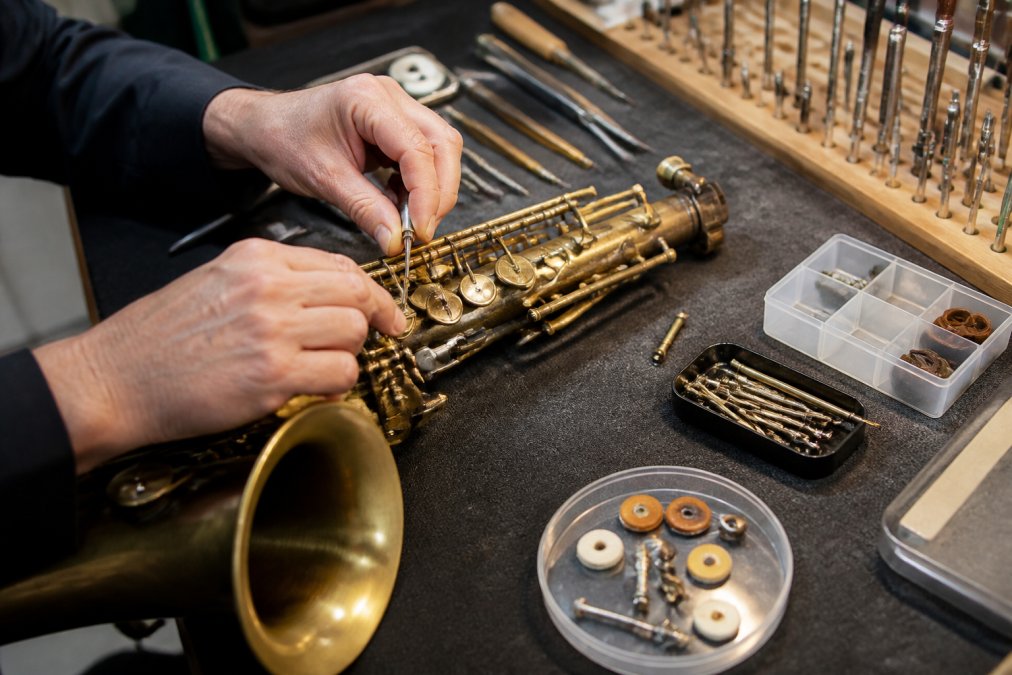
During assessment, the technician identifies not just the obvious problem but any secondary issues that might cause problems later. A sticky key might be caused by a bent rod, not just a worn pad. A weak lower register might stem from corrosion inside the bore, not a pad issue. This thorough diagnosis ensures the repair addresses root causes, not just symptoms.
You'll receive a detailed report of findings and an estimate of repair costs and timescale. Transparency at this stage saves time later, ensuring you know what needs fixing and when you'll have your instrument back.
Repair Work and Parts Replacement
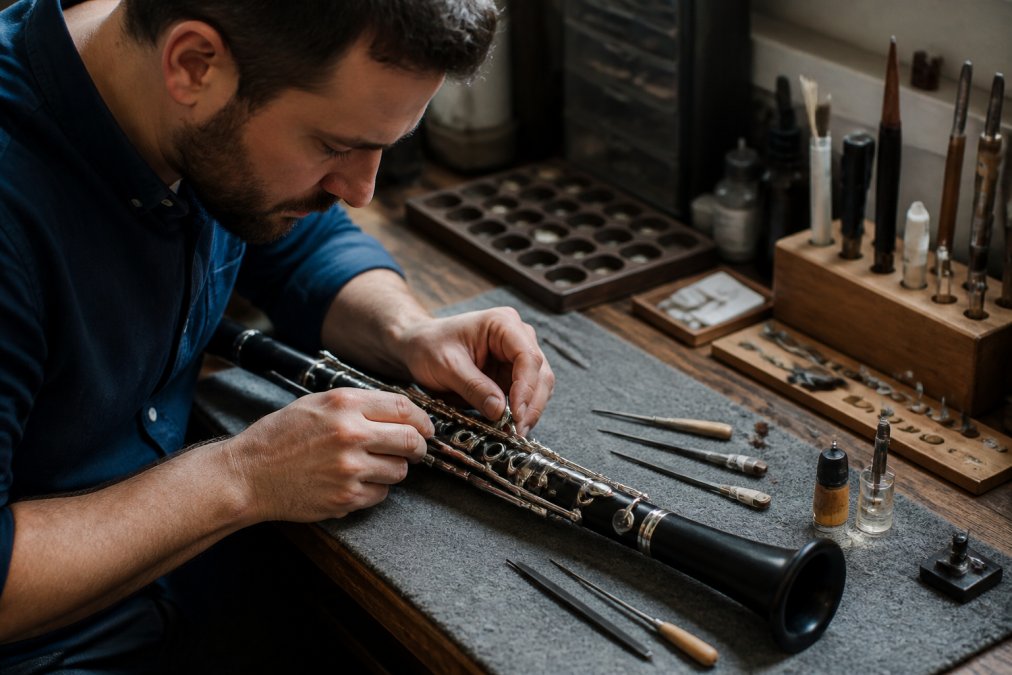
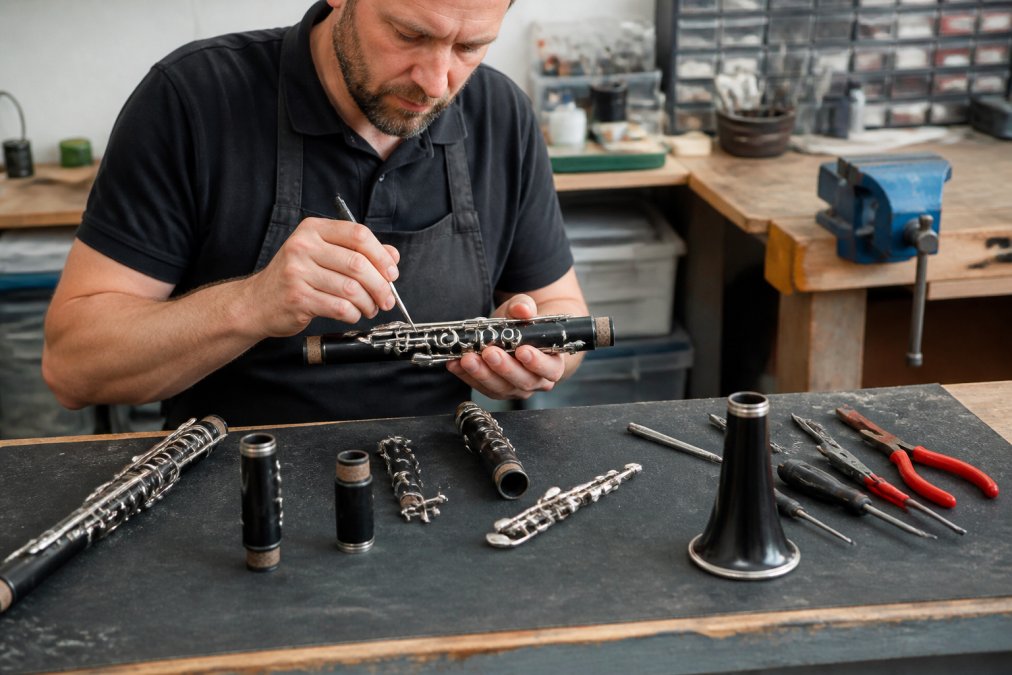
Once you approve the repair plan, the technician begins the actual work. This phase involves disassembling the instrument, removing old pads, cleaning components, replacing worn or damaged parts, and reassembling everything with precision.
Pad replacement is the most common repair. Pads wear out from regular playing, they harden, crack, or lose their sealing ability. Replacing a pad means carefully removing the old one, cleaning the pad cup, fitting a new pad, and ensuring it seats perfectly. For a saxophone or clarinet with multiple pads, this work alone can take several days.
Springs require similar care. A spring that has lost tension needs replacing, not adjusting. The technician removes the old spring, fits a new one, and ensures it provides the correct pressure without binding the key. Corrosion on metal parts requires careful cleaning or, in severe cases, replacement of the corroded component.
Structural repairs, fixing cracks in wood, straightening bent rods, or replacing damaged posts, demand skilled craftsmanship. These repairs cannot be rushed. A crack in a clarinet barrel or saxophone body requires precision work to ensure the repair is structurally sound and doesn't affect the instrument's acoustic properties.
Testing and Quality Checks
Before your instrument leaves the workshop, it undergoes rigorous testing. The technician plays the instrument extensively, checking response across the entire range, testing each key for proper sealing and movement, and listening for any anomalies in tone or intonation.
For fast woodwind repair services, quality testing is non-negotiable. The instrument must perform reliably across all registers, respond consistently to dynamic changes, and produce a clear tone without squeaks, cracks, or dead notes. Only when testing confirms everything works correctly does the repair count as complete. Establishing a rigorous standard for these final checks helps technicians manage repair turnaround expectations while ensuring that every instrument meets the high performance benchmarks found at our Guitar Repair Shop Huntingdon.
Daily Woodwind Instrument Maintenance Tips
You can prevent many repairs through consistent daily maintenance. After every playing session, swab the inside of your instrument to remove moisture. Moisture inside the bore promotes corrosion, warps wood, and damages pads. A simple swab takes two minutes and extends your instrument's life significantly.
Check your pads monthly for visible wear. Look for cracks, hardening, or areas where the pad no longer makes full contact with the pad cup. Early detection means a single pad replacement instead of waiting until multiple pads fail.
Clean the exterior monthly with a soft cloth. For metal instruments, use a cloth slightly dampened with water, never harsh chemicals that accelerate corrosion. For wooden instruments, occasional gentle cleaning with a dry cloth is sufficient. Avoid extreme temperature changes, which cause wood to expand and contract, potentially opening cracks.
Store your instrument in a protective case in a stable environment. Avoid leaving it in direct sunlight, near heating vents, or in damp spaces. Consistent temperature and humidity prevent the stress that leads to cracks and warping.
Preparing Your Instrument for Fast Woodwind Repair
Before bringing your instrument in for repair, clean the exterior thoroughly. Remove any visible dust, dirt, or debris. This helps the technician see potential problems clearly and prevents dirt from contaminating internal components during repair.
Document any specific issues you've noticed. Write down which keys stick, which notes sound weak, when the problem started, and how often you play. This information helps the technician prioritise repairs and understand the instrument's usage pattern.
If you've had previous repairs, bring documentation of that work. Knowing what was repaired before and when helps the technician understand the instrument's repair history and anticipate related problems.
Don't attempt repairs yourself. Opening the instrument, adjusting springs, or replacing pads without proper training can cause additional damage. What seems like a simple fix often creates new problems that cost more to resolve. Professional repair from the start is faster and cheaper than fixing amateur repairs.
Common Mistakes That Delay Repairs
Musicians make predictable mistakes that extend repair timescales unnecessarily. The biggest is waiting too long before seeking help. An instrument that's been struggling for months often has multiple problems that need addressing, turning a quick repair into a complex job.
Another common delay: not communicating clearly about urgency. If you need your instrument back for a gig or exam, say so upfront. The technician can prioritise your repair, potentially expediting the work.
Getting Your Instrument Back in Playing Condition
Once your instrument returns from repair, give yourself time to readjust before performing or recording. Your hands need to relearn the feel of the instrument with fresh pads and properly functioning keys. What felt stiff before now responds instantly. The tone might sound different because the instrument is no longer fighting against worn components.
Frequently Asked Questions
How often should I have my woodwind instrument serviced?
Most woodwind instruments benefit from a full service every 12-18 months with regular playing, though this varies based on usage and playing conditions. If you play several times weekly, annual servicing is advisable. Signs you need service sooner include sticky keys, air leaks, or difficulty producing clear tones. Regular maintenance between services extends the time between professional work and keeps your instrument in optimal condition.
What are the signs your saxophone needs a professional repair?
Common indicators include keys that stick or respond slowly, squeaking or crackling sounds, difficulty playing certain notes, visible damage to pads or springs, and air leaks around the tone holes. If your instrument has been dropped, exposed to extreme temperature changes, or hasn't been serviced in several years, professional assessment is worthwhile. Even minor issues can worsen quickly if ignored, potentially affecting playability and sound quality.
How long does a woodwind service take?
The time a woodwind service takes depends on the instrument's condition and the repair centre's workload. Simple repairs might take less time, while comprehensive overhauls can take longer. Always confirm turnaround times when you book, especially if you have performance deadlines.
Can I perform minor woodwind repairs at home?
Basic maintenance, cleaning, oiling springs, and replacing reeds, is safe to do yourself with proper guidance. However, adjusting regulation, replacing pads, fixing bent keys, or addressing air leaks requires specialist tools and expertise. Attempting complex repairs without training risks causing permanent damage to your instrument's mechanism. Professional technicians have the equipment and experience to diagnose issues accurately and restore your instrument safely.