 blog
blog
Best Student Clarinet for School: A Buyer's Guide
Table of Contents
- What Makes a Good Student Clarinet for School
- Renting vs Buying a Clarinet: Which Option Works for You
- Key Features to Look for in a Student Clarinet
- Essential Clarinet Accessories for School
- How to Care for a Student Clarinet
- Avoiding Common Mistakes When Choosing Your First Clarinet
- Getting Expert Advice Before You Buy
- Frequently Asked Questions
Last Updated: September 23, 2026
What Makes a Good Student Clarinet for School
A good student clarinet for school balances playability, durability, and affordability without compromising on sound quality. The instrument needs to respond well to a beginner's technique, withstand daily handling and transport, and stay in reliable condition throughout the school year.
The key differences between student clarinets and professional models lie in materials, precision of manufacture, and ease of response. Student instruments use wood or composite materials that are adequate for learning, whilst professional clarinets employ superior wood grading and tighter tolerances. For beginners, this distinction matters far less than having an instrument that doesn't fight against their efforts.
A quality student clarinet should produce a clear, focused tone across all registers. The action, how easily the keys respond to your fingers, should feel smooth without being overly sensitive. Intonation should be reasonably accurate without requiring excessive embouchure adjustment. Most importantly, the instrument should encourage practice rather than frustrate it.
Hayes Music stocks a range of student clarinets designed specifically for school musicians. The team can guide you through the features that matter most for your situation, whether you're a complete beginner or returning to music after a break.
Renting vs Buying a Clarinet: Which Option Works for You
Renting a clarinet makes sense if you're uncertain about long-term commitment or want to avoid upfront expense. Many schools recommend renting during the first year whilst a student discovers whether they'll stick with music. Rental agreements typically include basic maintenance and repairs, which removes the burden of unexpected costs.
Buying becomes the better choice once you've committed to playing regularly. A purchased instrument is yours to keep and customise. You avoid monthly rental fees that accumulate over time. For a student who plays for several years, the total cost of renting often exceeds the cost of purchasing a decent beginner instrument outright.
The decision also depends on your situation. If your child is trying music for the first time, renting eliminates the risk of investing in an instrument they may abandon. If you're a serious hobbyist or returning musician, buying gives you control over maintenance and the freedom to upgrade components as your skills improve.
Hayes Music offers both rental and purchase options, with expert advice on which path suits your circumstances. The team can discuss what makes sense for your timeline and budget.
Key Features to Look for in a Student Clarinet
When evaluating a student clarinet for school, focus on these essential characteristics:
Bore and tone holes, The internal bore diameter affects how the instrument responds and projects sound. Student clarinets typically have a slightly wider bore than professional models, making them more forgiving of imperfect technique.
Key mechanism, Look for smooth, responsive keys that don't stick or rattle. The springs should return keys quickly without requiring excessive finger pressure. A well-regulated mechanism makes playing more enjoyable and reduces frustration during practice.
Pad condition, Pads are the soft materials that seal tone holes when keys close. New or recently replaced pads are crucial for airtight sealing, which directly affects intonation and response. Worn pads cause leaks that make the instrument difficult to play in tune.
Barrel and bell fit, These components should fit snugly without excessive force. A loose fit creates air leaks; too tight a fit can crack the wood. Proper fit ensures consistent tuning and response.
Mouthpiece quality, The mouthpiece is where your embouchure meets the instrument. A quality mouthpiece designed for student playing produces a more responsive feel and helps develop proper technique.
Reed compatibility, Confirm the instrument works well with standard student reeds. Some clarinets are finicky about reed choice; others are more flexible. Flexibility here matters because students often experiment with different reeds as they develop.
A reputable retailer like Hayes Music will check these features before selling or renting an instrument to you, ensuring what you receive is genuinely ready for school use.
Essential Clarinet Accessories for School
Beyond the instrument itself, several accessories are necessary for proper playing and maintenance:
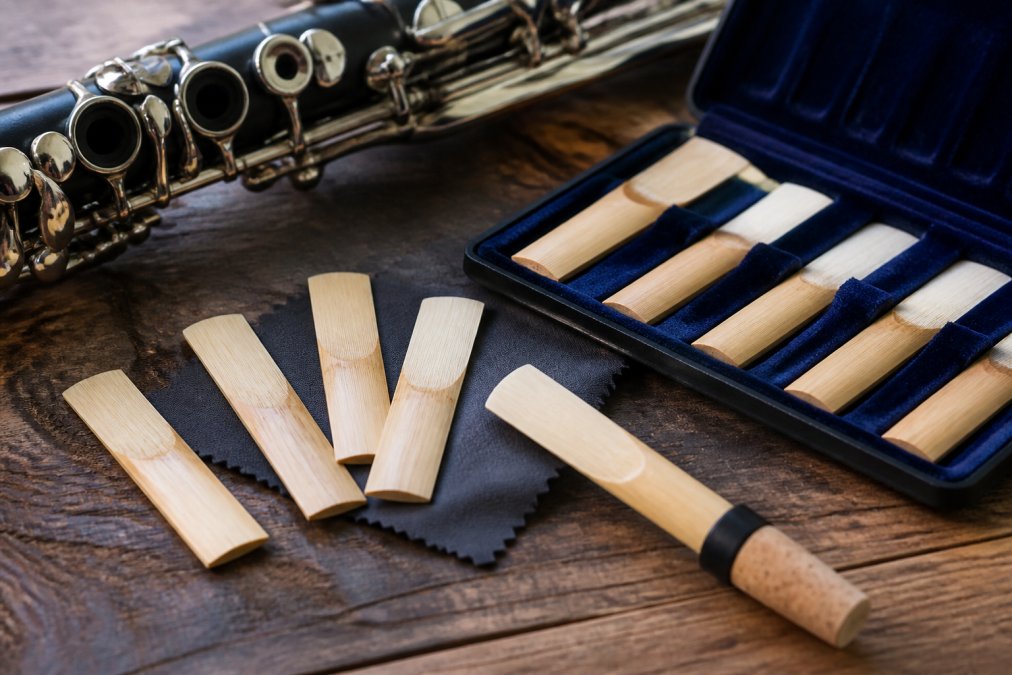
Reeds, Student players typically use 2.0 or 2.5 strength reeds. Most students need a small supply on hand, as reeds wear out and occasionally split. A box of 10 reeds gives you backups for practice and performances.
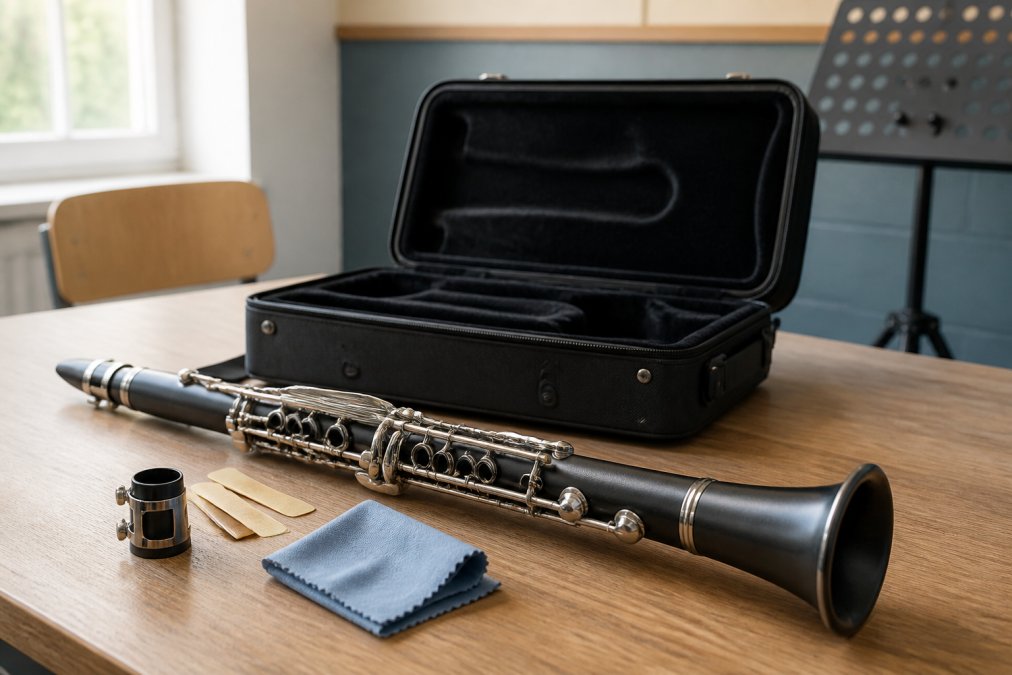
Cleaning cloth and swab, A soft cloth removes moisture and dust from the exterior. A swab, a long cloth weighted on a string, passes through the bore to remove internal moisture after playing. Both prevent mould and wood damage.
Reed case, Protects reeds from damage and allows them to dry properly between uses. A simple plastic reed case keeps reeds flat and accessible.
Ligature and cap, The ligature holds the reed onto the mouthpiece. A spare ligature is useful if yours becomes loose or damaged. The cap protects the mouthpiece when the instrument isn't in use.
Cork grease, Applied sparingly to the cork tenons (the joints), this helps the barrel and bell fit smoothly without forcing.
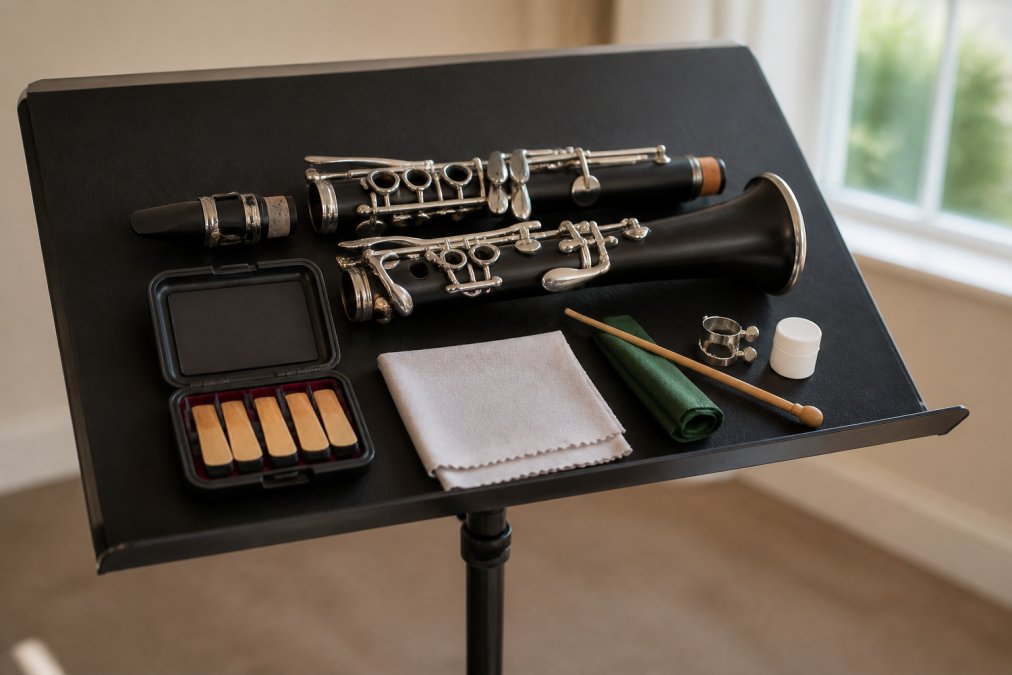
Music stand, Essential for holding sheet music during practice. A lightweight, portable stand is ideal for school use.
Hayes Music stocks all of these accessories in quality versions suitable for student use. The team can advise on which items your situation requires immediately and which can wait.
How to Care for a Student Clarinet
Proper care extends the life of your instrument and keeps it playing well. The basics are straightforward and become routine quickly.
After every practice session, swab the interior bore thoroughly. Moisture left inside promotes mould growth and warps wood over time. Always disassemble the clarinet into four pieces (barrel, upper joint, lower joint, and bell) before swabbing.
Wipe the exterior with a soft, dry cloth to remove fingerprints and dust. This prevents residue buildup that can affect the action of keys.
Store the instrument properly in its case in a stable environment. Avoid leaving it in direct sunlight, near radiators, or in damp rooms. Extreme temperature and humidity changes cause wood to swell and shrink, which damages the fit of joints and affects intonation.
Replace pads and springs when they wear out. A technician can assess pad condition during annual maintenance. Worn pads are the most common reason a student clarinet becomes difficult to play.
Check for air leaks periodically by covering the bell and blowing gently into the mouthpiece. If air escapes from anywhere other than the bell, pads or springs may need attention.
Have professional maintenance done annually. A qualified technician can regulate the action, replace worn pads, and address minor issues before they become problems.
Hayes Music operates a full repair and maintenance centre for woodwind instruments. Regular servicing through the team keeps your clarinet in reliable playing condition and catches small issues before they affect your practice.
Avoiding Common Mistakes When Choosing Your First Clarinet
Many beginners make decisions they later regret. Here's what to watch for:
Buying purely on price. The cheapest student clarinet often plays poorly and discourages practice. A slightly higher investment in a properly set-up instrument pays dividends in your willingness to play regularly.
Ignoring setup quality. An instrument that arrives unregulated, with loose pads, stiff keys, or misaligned joints, creates an uphill battle for beginners. Always purchase from a retailer who inspects and adjusts instruments before delivery.
Choosing based on appearance alone. Finish colour and aesthetic appeal don't affect how the instrument plays. Focus on sound quality, action smoothness, and response instead.
Underestimating the importance of the mouthpiece. A poor mouthpiece makes even a good clarinet difficult to play. Ensure the mouthpiece included is designed for student playing, not a budget afterthought.
Skipping professional guidance. Buying online from an unfamiliar retailer without expert input is risky. A knowledgeable adviser can help you avoid instruments with hidden problems and match you to something suitable for your specific situation.
Not planning for maintenance costs. A student clarinet requires annual servicing and occasional repairs. Budget for these expenses from the start rather than discovering them later.
Getting Expert Advice Before You Buy
Making an informed decision requires input from someone with genuine experience. A music teacher, school band director, or experienced retailer can offer insights tailored to your situation.
Music teachers understand what works well for beginners and can recommend specific models they've seen succeed with students.
Frequently Asked Questions
What is the best clarinet for a beginner student?
The best student clarinet balances affordability with reliable playability. Look for instruments with a stable wooden body, properly regulated keys, and a consistent tone across all registers. Avoid extremely cheap plastic models that struggle to stay in tune. Your school music teacher or a specialist retailer can recommend suitable options based on your age, hand size, and learning pace. Many beginners benefit from trying an instrument before committing to purchase.
Should I rent or buy a clarinet for school?
Renting suits students unsure about long-term commitment or those with limited budgets, offering flexibility and maintenance support. Buying makes sense if you plan to play for several years, as rental costs accumulate over time. Consider your child's enthusiasm level, how soon they need the instrument, and whether you have space to store it properly. Many families rent initially, then purchase once they're confident in their commitment to learning.
What accessories do I need when buying a student clarinet?
Essential accessories include reeds (buy several as backups), a cleaning rod with cloth, and a reed case to protect them. A music stand helps during practice, and a protective case prevents damage during transport to school. A reed soaking cup and mouthpiece cap extend instrument life. Ask your teacher which accessories are most urgent; some can be added gradually as you develop your practice routine.
How should I care for a student clarinet to keep it in good condition?
After each practice session, swab the inside of the clarinet with a cleaning cloth to remove moisture that causes damage and mould. Store the instrument in its case in a dry location away from direct sunlight and temperature extremes. Replace reeds regularly when they crack or lose responsiveness. Have the instrument serviced annually by a qualified technician who can regulate the keys and check for leaks. Avoid dropping it or storing it in damp environments like instrument lockers without ventilation.