 How-to
Why Buy Instruments From Local Shops Rather Than Online
Last Updated: November 12, 2026
Quick Summary
Buying from local shops lets you try an instrument before you commit, so you can hear the tone, feel the neck and check the action. You also get setup before you leave, advice from staff who play, a repair route and after-sales support that a website cannot offer.
- Test tone, feel and playability by playing a scale you know well in the shop.
- Ask whether the price includes adjustment, a case, a stand or reeds.
- Under the Consumer Rights Act 2015, goods must be of satisfactory quality and fit for purpose.
- Allow at least an hour for testing and ask about setup included in the price.
- Hayes Music has served musicians since 2004 and has a dedicated practice room.
Table of Contents
- Why Buy Instruments From Local Shops: The Case for Trying Before You Commit
- Local Music Shop vs Online: What You Actually Get for Your Money
- Try Musical Instruments Before Buying: Tone, Feel and Playability
- Buying Your First Musical Instrument With Expert Guidance
- Music Shop Instrument Repairs, Setup and After-Sales Support
- Returns, Warranties and Your Consumer Rights
- A Practical Checklist for Visiting a Music Shop
- Visiting the Hayes Music Showroom to Choose Your Instrument
- Frequently Asked Questions
Why Buy Instruments From Local Shops: The Case for Trying Before You Commit
Buying an instrument online is convenient. It is also a gamble. You cannot hear the tone, feel the neck, or check the action before money changes hands. That is why buying instruments from a local shop remains a sound choice for many players.
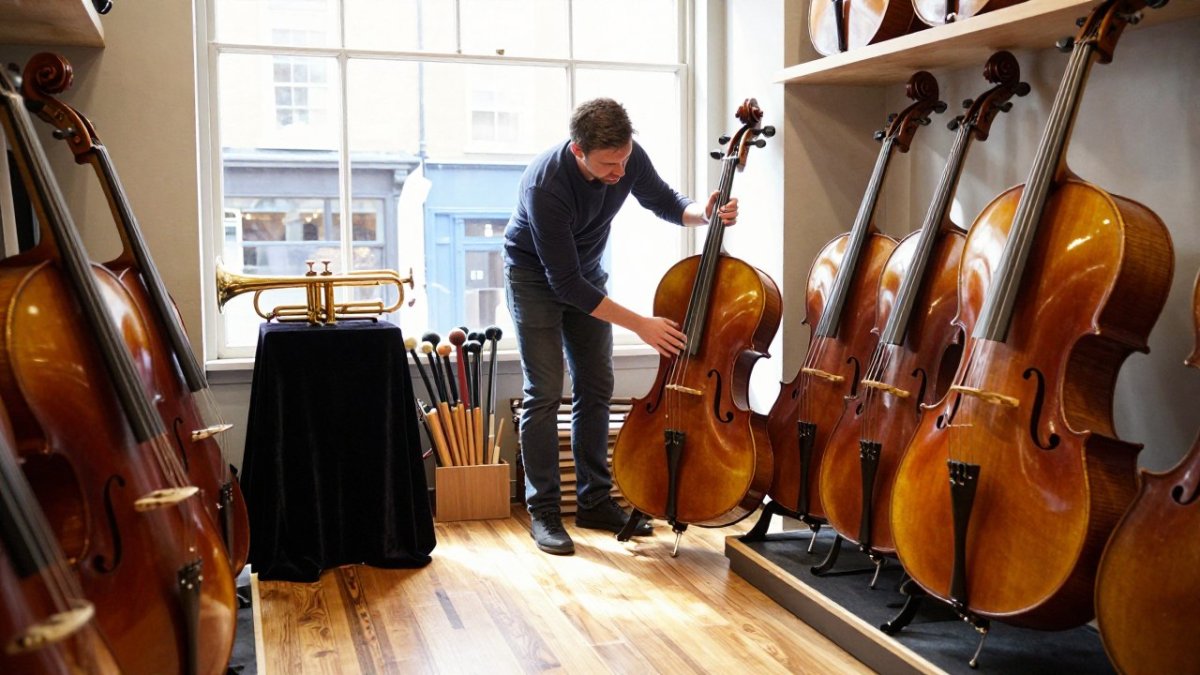
A local music shop gives you something a website cannot: a hands-on experience before you commit. You play the instrument. You hear how it sounds in the room. You feel whether it suits your hands.
Below, we explain what you actually get for your money, how to test an instrument properly, and what your rights are if something goes wrong.
Local music shop vs online is not really a fair fight. One offers advice, setup and after-sales support. The other offers a cardboard box and a returns form.
Local Music Shop vs Online: What You Actually Get for Your Money
An independent retailer sells you a service, not just a product. That difference shows up in four places.
- Setup before you leave. Some shops check and adjust instruments before handover.
- Advice from staff who play. Ask staff what you play and what you need.
- A repair route. If something fails, you know where to take it.
- Accessories. Reeds, strings, valve oil and stands are commonly sold by music shops.
Online retailers win on one thing: choice of listings. But a listing is not an instrument. A photo cannot tell you whether a clarinet feels stiff under the fingers or whether a guitar's neck suits your hand.
To compare fairly, put both options on the same footing. Ask whether the price includes adjustment, a case, a stand or a first set of reeds. Check the returns window and who pays return postage before you buy from any seller.
Buying without trying an instrument can mean paying for setup work later, which may offset any saving.
A simple way to decide is to add up the full cost of ownership for the first year: instrument price, setup, delivery, accessories, expected repairs and the value of your time. A shop that includes setup can work out cheaper than a lower online price once those extras are counted.
Here is what each option offers, so you can weigh them up before you buy.
| Option | What you get | Key difference |
|---|---|---|
| Local music shop | Setup before you leave, advice from playing staff, a repair route, accessories | Hands-on service and after-sales support |
| Online retailer | Choice of listings | A listing is not an instrument; no trial before buying |
Try Musical Instruments Before Buying: Tone, Feel and Playability
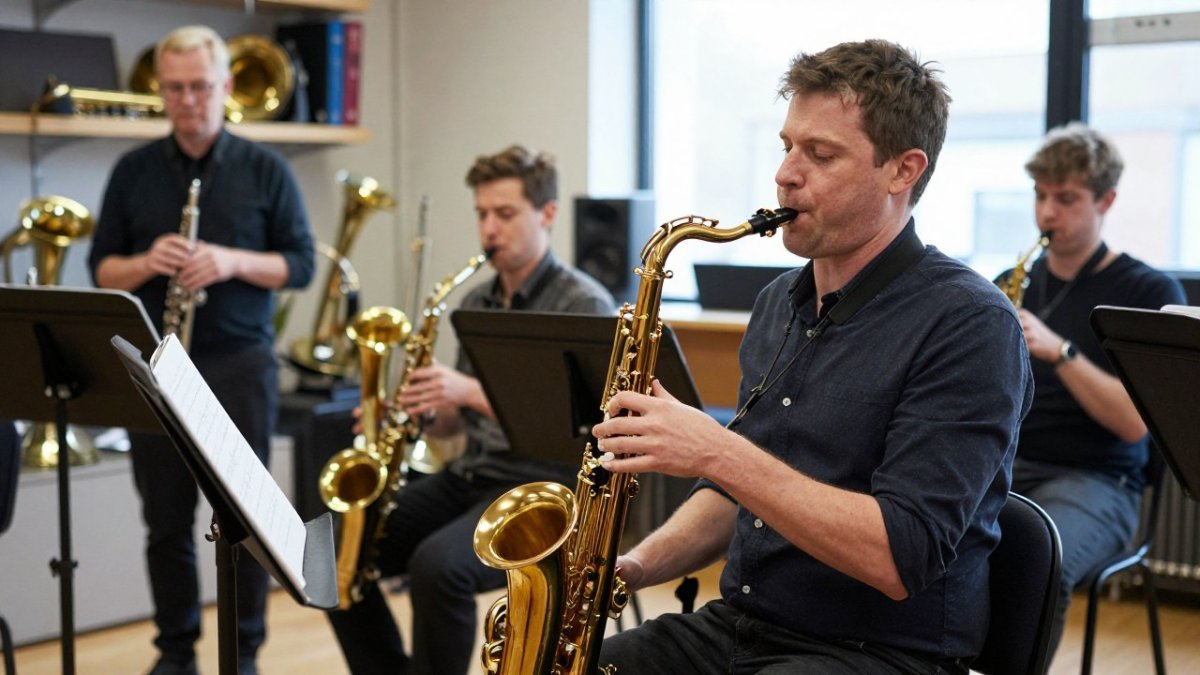
Trying before buying means testing three things: tone, feel and playability. Tone is the sound the instrument makes. Feel is how it sits in your hands. Playability is how easily it responds.
Here is how to test each one in the shop:
- Play a scale you know well. Listen for an even tone across the range.
- Check the action. Keys and strings should move without sticking or strain.
- Try the top and bottom notes. A good instrument stays clear at both ends.
- Hold it for five minutes. If your hands ache, it is the wrong fit.
- Ask for a second instrument to compare. Side-by-side testing reveals far more than a single try.
Resonance matters most on acoustic instruments. Play a note, then feel how the body vibrates. A dead, flat response usually means a poor setup or a weak instrument.
Buying Your First Musical Instrument With Expert Guidance
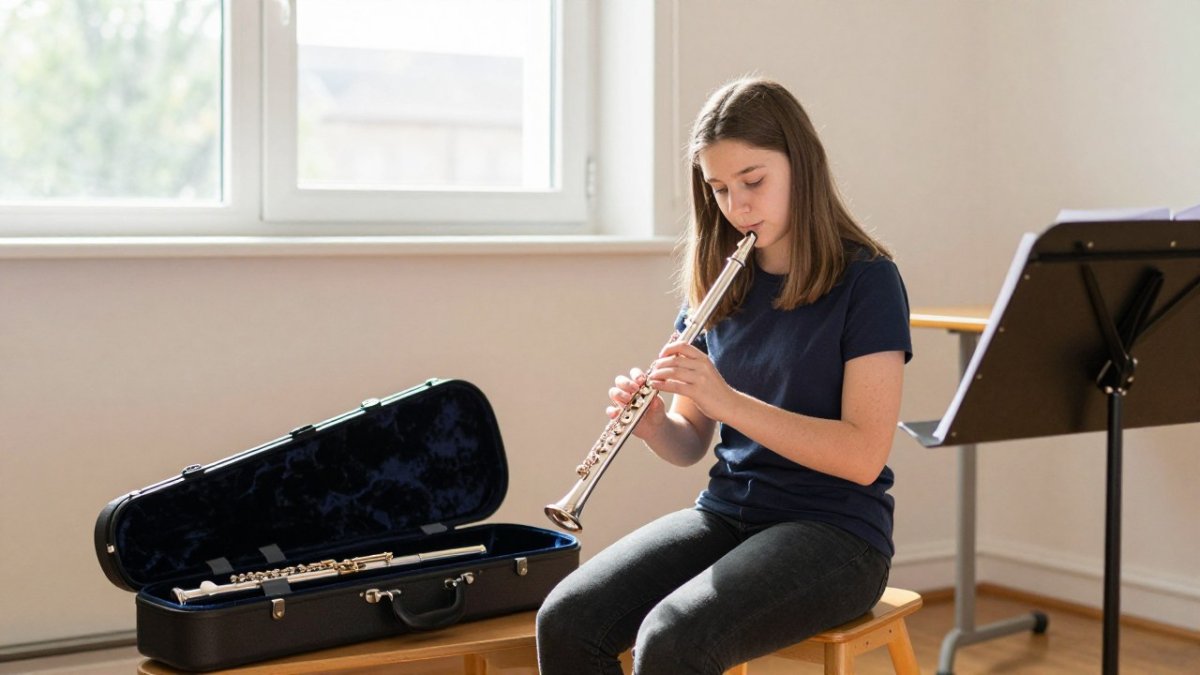
Buying your first musical instrument is where advice pays for itself. A beginner does not need the most expensive model. They need one that plays easily and will not fight them.
Staff knowledge matters here. A good assistant will ask three questions:
- What do you want to play, and why?
- What is your budget?
- Are you learning alone or with a teacher?
From there, they can point you to a student model that suits your hands and your goals. Many beginners find that a well-set-up student instrument beats a poorly set-up expensive one.
If you are shopping for a gift or want to browse before committing, you can browse the Hayes Music gift card as a flexible starting point.
Music Shop Instrument Repairs, Setup and After-Sales Support
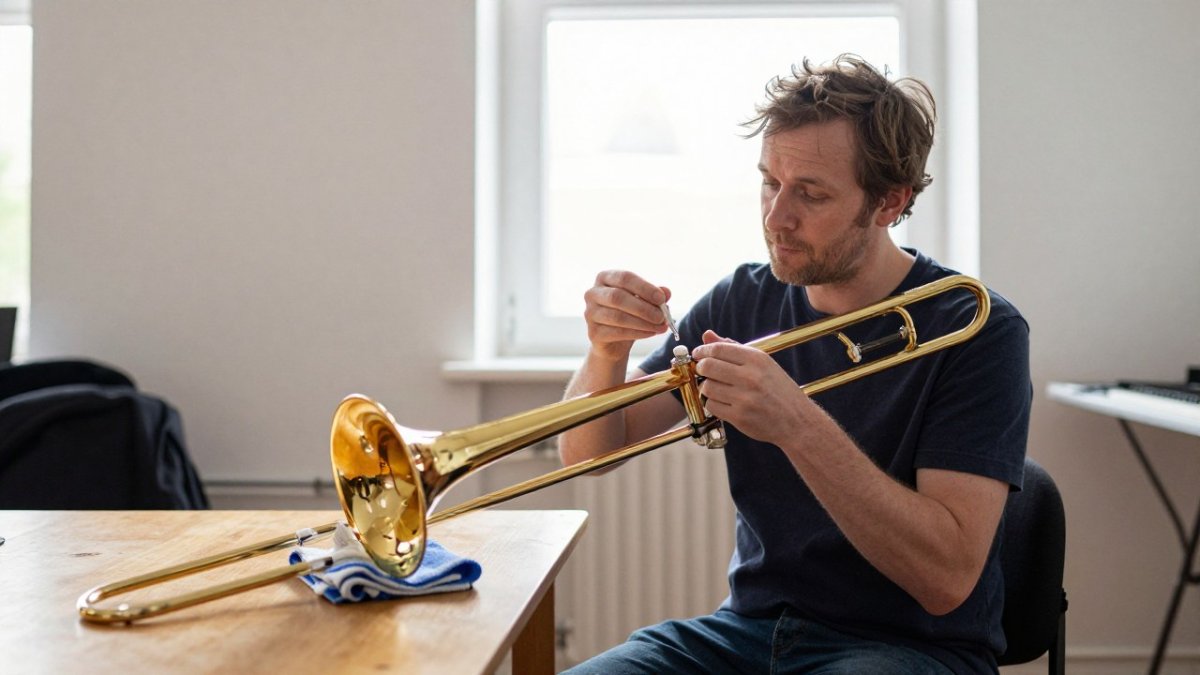
Music shop instrument repairs are the quiet advantage of buying in person. Every instrument needs adjustment over time. Woodwind keys work loose. Guitars need truss rod tweaks. Brass valves need cleaning.
Buying locally means you have a route back. Some shops offer a setup check after purchase and carry out repairs in-house, which can matter for school instruments where a child needs a working clarinet quickly.
After-sales support also covers the small things. If a reed splits before a concert, you want a shop that stocks them.
If you are protecting a new guitar, an ABS case for a classical guitar or a Tanglewood gig bag for an electric guitar keeps it safe between lessons and gigs.
Returns, Warranties and Your Consumer Rights
Your rights when buying an instrument are stronger than many buyers realise.
Under the Consumer Rights Act 2015, goods must be of satisfactory quality, fit for purpose, and as described. Check the official guidance on the Act for the details of your rights when buying an instrument.
This applies to online and in-store purchases (If you were misled or pressured into buying something you didn’t want). But in-store buying makes it easier to resolve problems face to face. You can demonstrate the fault. You can speak to the person who sold it to you.
Check the warranty terms before you buy. Instrument warranties vary by manufacturer and seller. Ask what is covered and for how long before you buy.
Ask for any known faults in writing and confirm the returns policy before buying second-hand.
For independent guidance on your rights, see the Citizens Advice guide to the Consumer Rights Act.
A Practical Checklist for Visiting a Music Shop
Use this checklist before you travel. It turns a browsing trip into a focused buying visit.
- Set a clear budget, including accessories
- Write down what you want to play and your experience level
- Bring your own mouthpiece, reeds or picks if you have them
- Bring a teacher's recommendation or exam syllabus if relevant
- Allow at least an hour for testing
- Ask about setup included in the price
- Ask about the returns policy and warranty
- Check whether a practice room is available
- Confirm parking and access before you go
- Note any accessories you will need on day one
A portable stand is worth adding to the list. The Butterfly folding music stand in black packs flat for lessons and rehearsals. If you practise in dim rooms, a Touchlight music stand light helps you read sheet music clearly.
Visiting the Hayes Music Showroom to Choose Your Instrument
The best way to judge an instrument is to play it, which is why a showroom visit is worth making.
At Hayes Music, we have been serving musicians since 2004. Our showroom includes a dedicated practice room, so you can test instruments without an audience. We also run a full backup service and repair centre for brass and woodwind instruments.
For families and gigging players, access is simple. We have a free on-site car park and sit near the M27.
Our range covers brass, woodwind, percussion, pianos and keyboards, from beginner models to professional instruments. We also stock tuition books and exam publications.
You can read more about instrument care and maintenance guidance from the Musicians' Union before your visit.
Choosing an instrument should not feel like a gamble. It should feel like the start of something. If you want to play before you pay, hear the tone for yourself and get advice from people who play, visit us. Our team will help you compare instruments, check the setup and find the right fit for your budget. Get started with Hayes Music and choose an instrument you will actually enjoy playing.
Frequently Asked Questions
What are the benefits of buying an instrument from a local music shop?
You can play the instrument before you pay for it, which matters most with acoustic and brass instruments where each example sounds slightly different. Staff can check the setup, action and intonation on the spot. For a first instrument, that continuity is often worth more than a small saving online.
Is it better to buy a musical instrument in person or online?
It depends on what you are buying. For a first guitar, clarinet, trumpet or anything where feel and response matter, in-person is usually better because you can compare two or three examples side by side. Online suits repeat purchases of items you already know, such as a specific reed strength or a spare set of strings. If you do buy online, ask whether the instrument is checked and adjusted before dispatch, since a poorly set-up instrument can be harder to play than it needs to be.
Can you try an instrument before buying it at a music shop?
Yes, and most shops expect it. Ask about the practice room so you can hear the instrument properly. Take a few pieces you know well, plus anything your teacher has set, and play the same passage on each instrument you are comparing. If you are a beginner, ask staff to play it for you so you can hear the tone, and ask them to check the action, tuning and any obvious faults before you decide.
Do local music shops offer instrument repairs and aftercare?
Some do, either on site or through a workshop they work with. Brass and woodwind instruments in particular need periodic servicing, pad replacement, dent work and regulation. Ask what the typical turnaround is and whether they handle warranty adjustments in house.